

Part I: The Beginning
I wasn’t born in India; I’ve only been there once in my life. I was born in Hartford, Connecticut, and then moved to Orlando, Florida when I was about 5. In other words, I went from a population of preppy whites to southern whites. I didn’t start realizing I was different, or brown, until about 4th grade when I gained a sense of self-awareness. To be honest, I thought I was just like other kids; the idea of race and culture never crossed my mind. I started replacing my Hindi with “y’alls” and clipping off my “-ings”. At one point, I forgot about Hinduism and started asking my parents about church. Now, this isn’t bad at all; I am simply following Darwin’s theory and adapting to my surroundings. After all, we are just animals. But adopting Southern culture doesn’t mean my “Indianness” needs to slip away. It wasn’t until the words “bless,” “your,” and “heart” came out of my mouth that the alarms in my parents’ heads started to go off.
Part II: Rejection
At first, they enrolled me in Hindi classes so I could relearn my native language, but I had just turned thirteen and turned into the typical teenager that all parents fear. At the time, learning Hindi was “not cool,” and I barely even tried. I would even hide the fact that I did these classes from my friends. After two months, I ended up learning “How are you” and “Water,” and my parents finally gave up. Next, they enrolled me in Kumon. Besides wanting me to get ahead in my math and reading skills, the majority of the Indian kids in the Orlando area did Kumon, and just maybe I could meet a cute little Indian girl and immerse myself in her Indian culture. I did meet some Indian girls as well as advanced in math, but I never found the true one. Kumon wasn’t meant to be anyway; I could not make it through one class without crying. In one final attempt to reconnect me with my culture, my parents enrolled me in Bollywood dance. During the first session, I just sat there, watching everyone dance in front of me. My butt was literally glued to my seat; I did not move once for the entire hour. After the session, I cried and cried for hours not to go back. But my efforts were fruitless because I found myself back in that dance studio the exact same day and time the following week. Just like an animal in a new environment, I slowly started to join the group. In the second session, I started to learn the moves but then sat down when the music came on. It wasn’t until the 5th session that I was not only dancing my little heart out but also talking to the other Indian dancers.
Talking to those kids made me realize that there was a community of people just like me. Through shared experiences of learning Hindi or stories about eating the best food at the temple, I found not only some of my best friends but also my community.
Part III: Acceptance
Bollywood dance single-handedly changed the entire direction of my life. I continued to dance for 8 more years, learning all different styles and techniques from different regions of India. I learned classic movies Bollywood from Delhi, Garba (a dance using sticks) from Gujarat, and my favorite, Bhangra from my hometown Punjab. Through that, I started to become more interested in the culture as well. I learned more about my religion and the different holidays, Diwali, which celebrates the new year, and Holi, the spring festival, often celebrated by throwing color powder in the air. As a bit of a fashion geek, I was completely enthralled by how ornate the Indian clothes are. I love the two-piece suits, lehengas, that were covered in jewels, and the saris, wraps made for older women, designed from the most beautiful silk. Currently, now that I am old enough to be let near an open flame, I am learning how to cook all my comfort dishes. Although
I have mastered how to spice the curries, I am still struggling to make the perfect batch of yogurt from scratch. Now, while this is all great, it is a universal experience regardless of whether you live in a city or a rural area. One thing people ignore about rural areas is the idea of communities. I think if I didn’t live in such a small, tight-knit community, I would never have felt accepted. I would never have created such strong relationships with the local Indian kids. I would have never created friendships that taught me about my culture and made me appreciate it. Without my rural community, I would never be the Indian-American I am today.
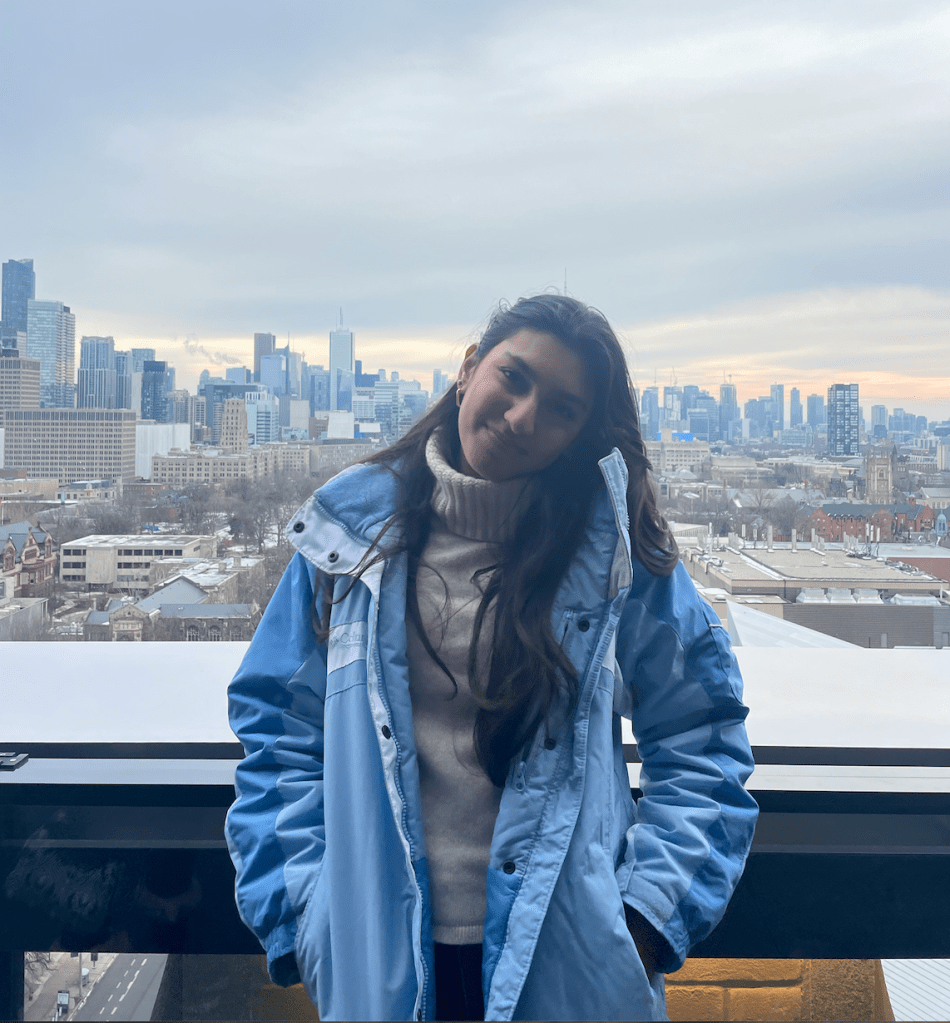
Riya Chandra is an aspiring high school writer who found her spark not long ago. She writes nonfiction and hopes to publish a full collection of personal essays. Chandra lives in Winter Park Flordia and is a junior at Trinity Preparatory Highschool. She spends her days hanging with her friends, chilling at the beach, painting landscapes, and writing with her dog.
 Dr. Parton's Literacy In Place