If you’re a returning reader, you know that I teach at a Montessori middle school in rural northeast Indiana. You also know that I moonlight as an education professor who teaches aspiring teachers how to teach and that my scholarly interests have to do with place (especially rural place) and identity – how it is developed in school spaces, how its represented in YA and MG literature, and how it is (or isn’t) featured in curriculum.
I am beyond fortunate to have a generous amount of autonomy in my classroom and curriculum development and to work at a school that values pedagogy of place. This year those two things coalesced into a project that was so cool, I just can’t keep it to myself because I hope other rural (and non rural) teachers are able to take what they can to replicate it in their curriculum – in whatever ways are available to them.
As part of my Montessori secondary credentialing program – shout out to CMStep! – we did a neighborhood study in Cincinnati where our training was taking place. The way it was set up allowed us to take our experiences with the study as students and use it in our own classrooms as teachers.
It was such an awesome experience that I knew I wanted to use it with students – mainly to invite them to learn more about the towns where they live, especially since a number of them live in the rural towns around the school.
The Why
“Young people can begin to sense that they are definitely linked to a larger community, loosely defined by geography and by social and economic factors. They can come to discover the community’s values and aspirations and can begin to consider how circumstances have changed the environment. They can also compare how the community has changed over time.” — Pat Ludick
Where we’re from is such a huge part of who we are. The geography, the peoples, the languages all work together to shape our beliefs and values that make us who we are. I didn’t start to consider how being from a rural town and growing up on a farm influence who I am and how I interact with the world until I moved away and lived in places vastly different from where I was from. So, I wanted to give students the opportunity to think about how where they’re from is part of who they are before they leave it (if they ever do). Leaving, staying, and returning are decisions particularly fraught for people from small communities, and I wanted to give them a solid foundation to stand on when they have to make those decisions in the few years after they leave my middle school classroom.
I also want them to appreciate the places that help to form them, all the while looking with honest eyes at both the joys and challenges those places face. To explore with their young adolescent eyes the ways in which those joys and challenges shape their experiences and how those experiences in turn shape their identities.
The What
One of the things I love most about Montessori education is its focus on the cosmic and how it encourages us to start with the whole – how everything is connected – with the end in mind. So, I knew that I needed to consider what the end product of this study would be first. As a writing workshop teacher, I knew that I wanted students to have an authentic audience. An idea formed: What if students created guides to their towns that we would then gift to local historical societies?
So I ran with that.
I created a packet based on the packet we got to use in training to guide students in their work. Said packet included features such as:
- a place for them to take notes
- guiding questions for their research
- a place to write their town tour itinerary and draw their map
- a place to record interview notes
- a way to keep track of their progress
Students were put into groups based on where they lived. I broke up the largest group into four different groups to keep the groups relatively small.
To introduce the idea of and importance of community, we read the poem and conducted a Socratic Circle discussion about it where they discussed what it means to be part of a community and how where we’re from impacts who we are.
I gave a brief introduction of where we were going – the cultural guide and presenting them to community stakeholders. We also worked on putting together a calendar for our work (that ended up needing a lot of revision as things came up…). Students then got into their groups to look perform a scavenger hunt of their packets, annotating them and writing down questions they had. We came back together to go through their questions.
After the project was introduced, we scheduled specific time in the day for groups to get together. They divided up the different research sections (e.g., people, cemeteries, industry & commerce) and began their research.
They also worked together to come up with an itinerary for their town tours and drew maps of the route they would take while on their tour. While on their tours, they interviewed everyone from mayors, city councilman, muralists, business owners, etc. They took notes during the interview (which they had lessons on) so that they could include that information in their cultural guides.
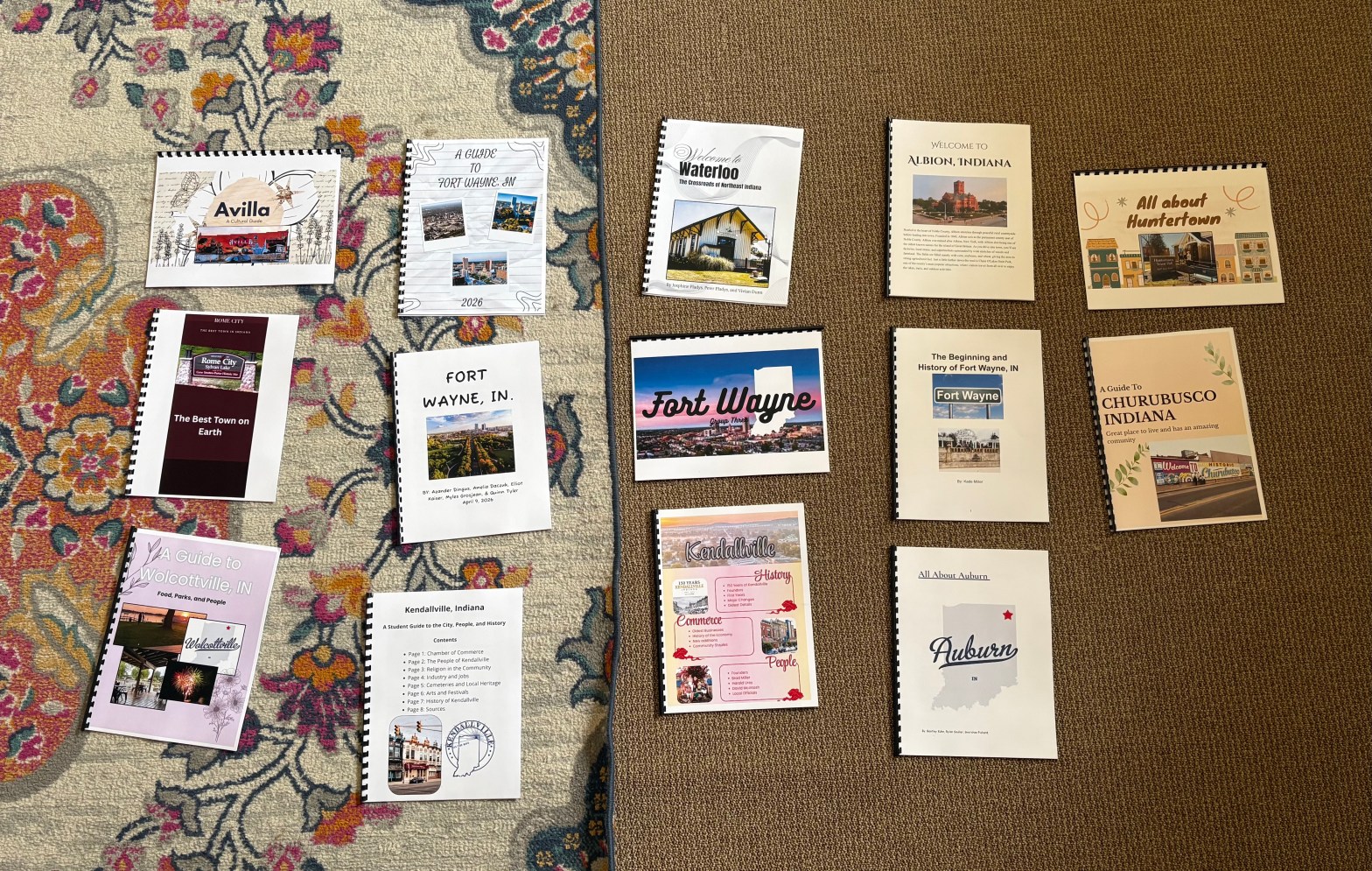
Across the year, they continued to work in their packets and started to build their cultural guides. Below is an example guide that I shared with them to give them a skeleton of what their guide could look like.
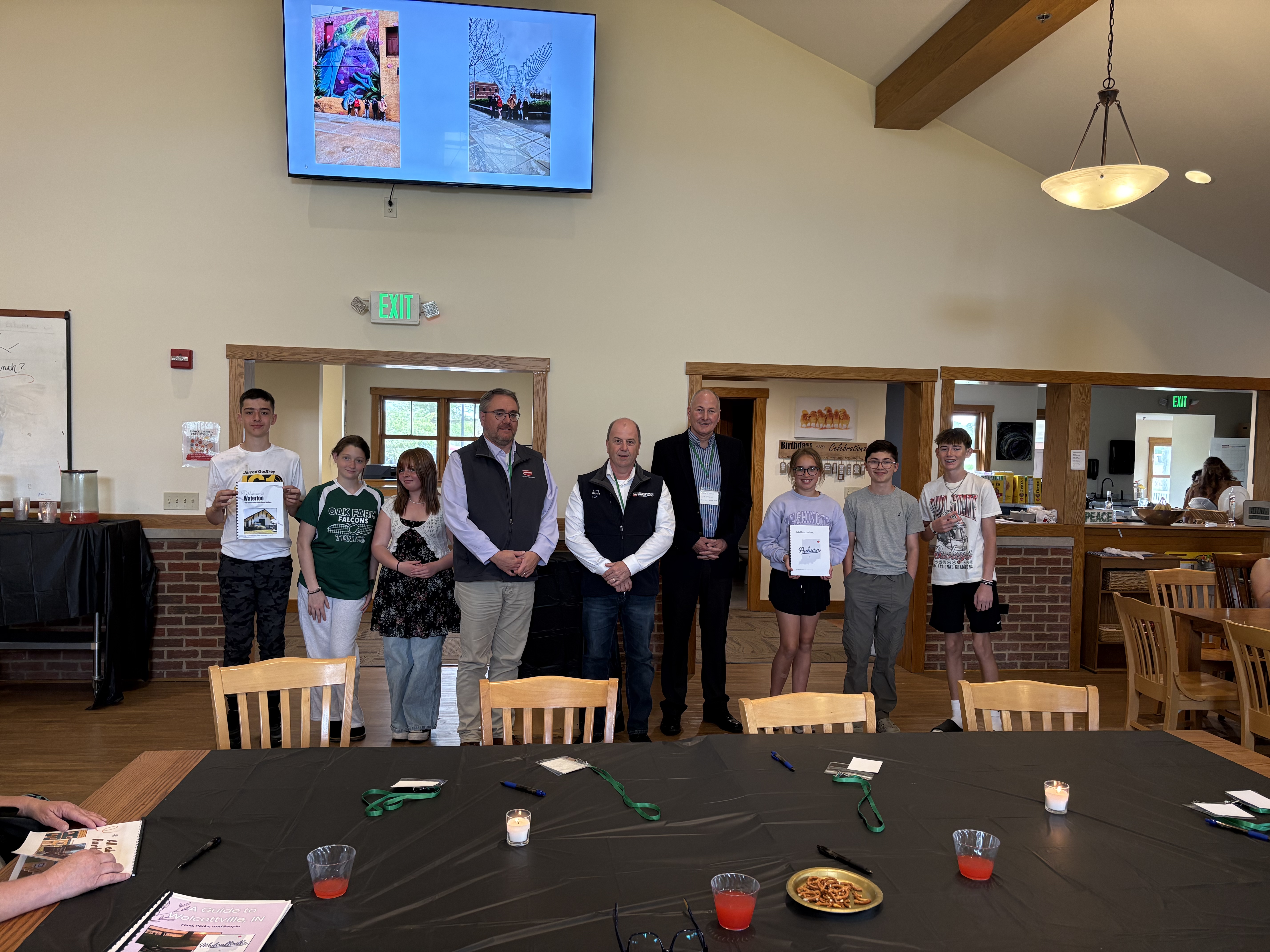
While they were working, I reached out to community stakeholders and members of historical societies, inviting them to a presentation of students’ work. Because this wasn’t a culmination of my work but theirs, each town elected a member of their group to be a delegate to help plan the dedication ceremony.
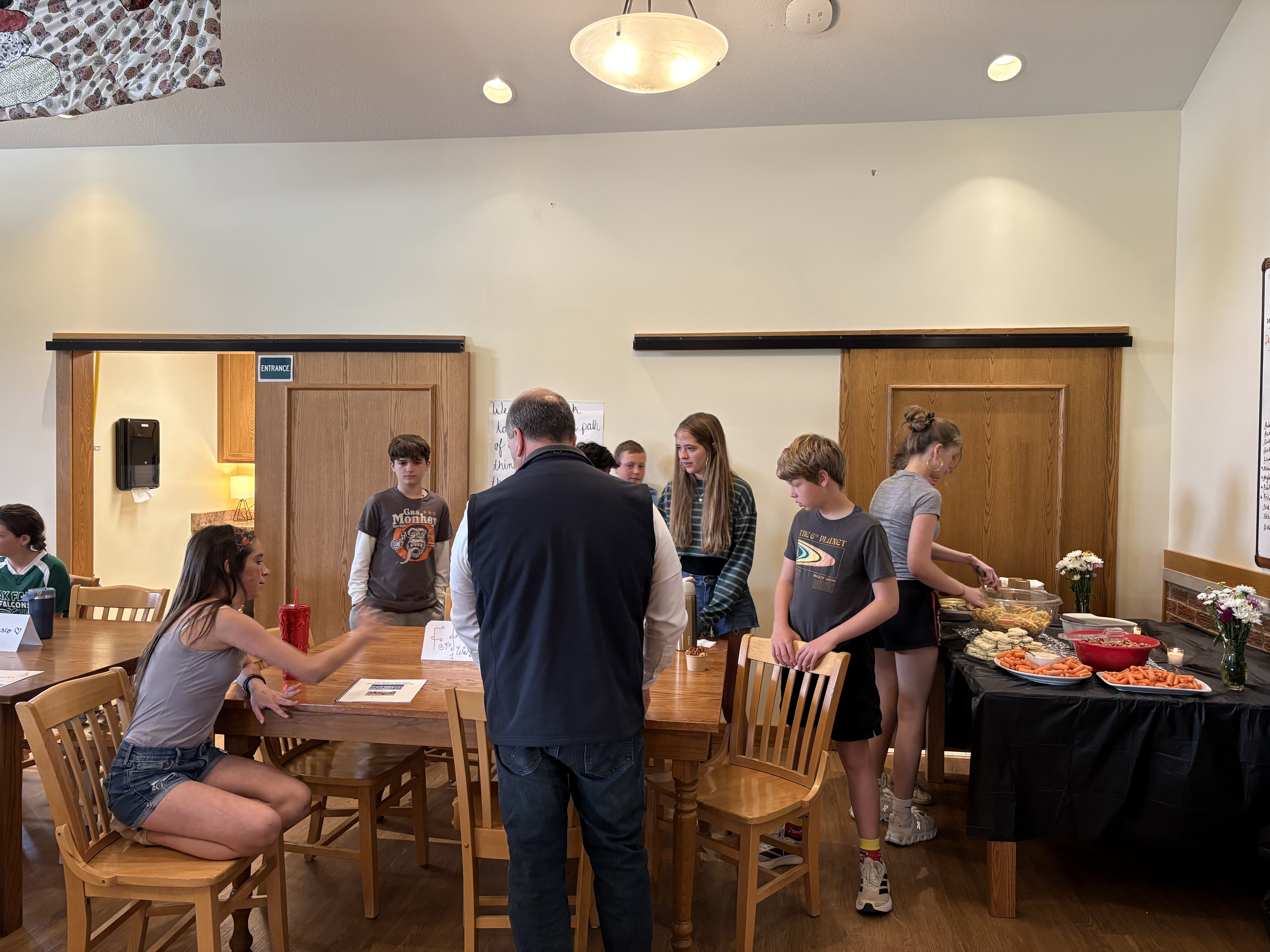
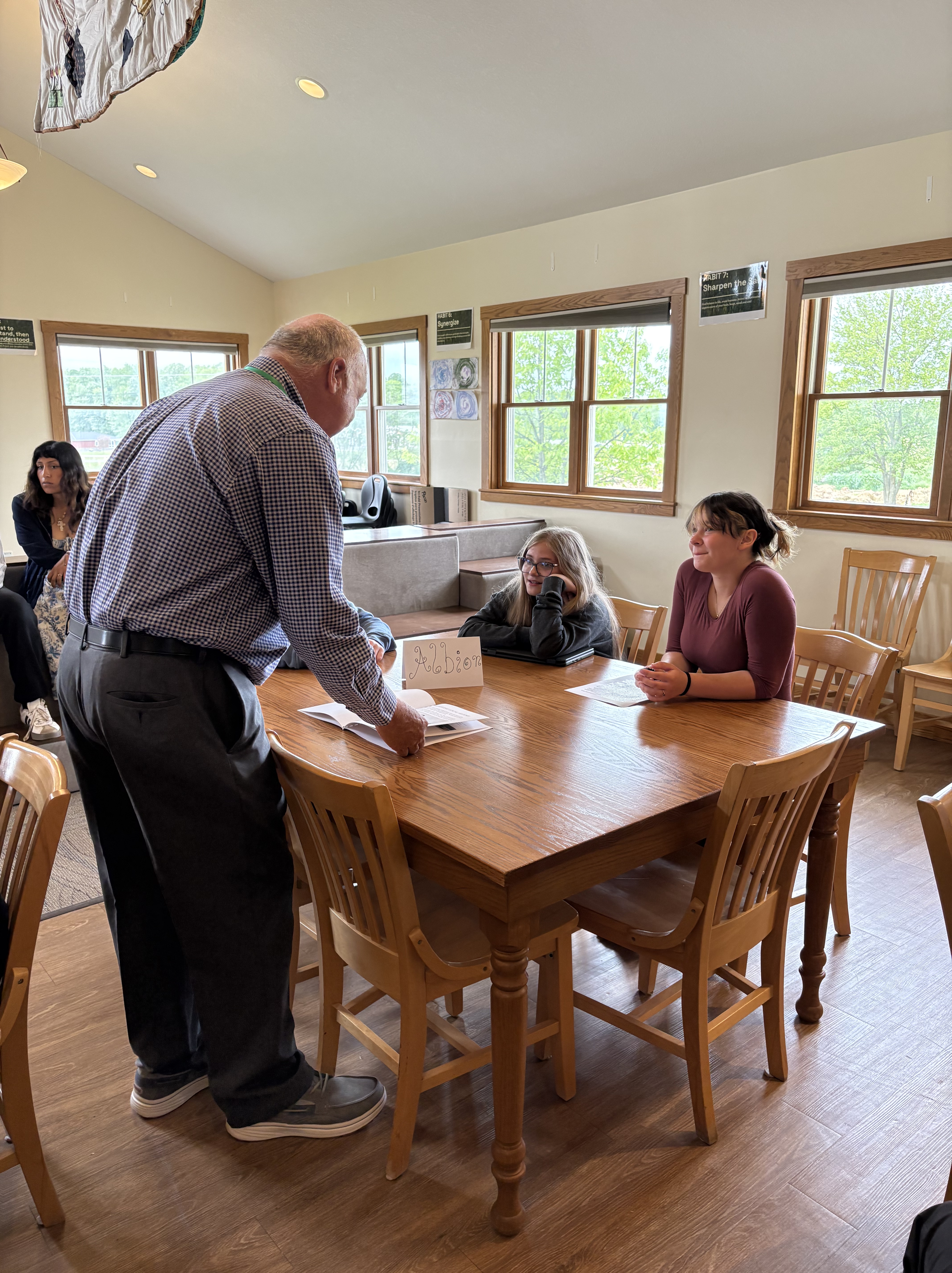
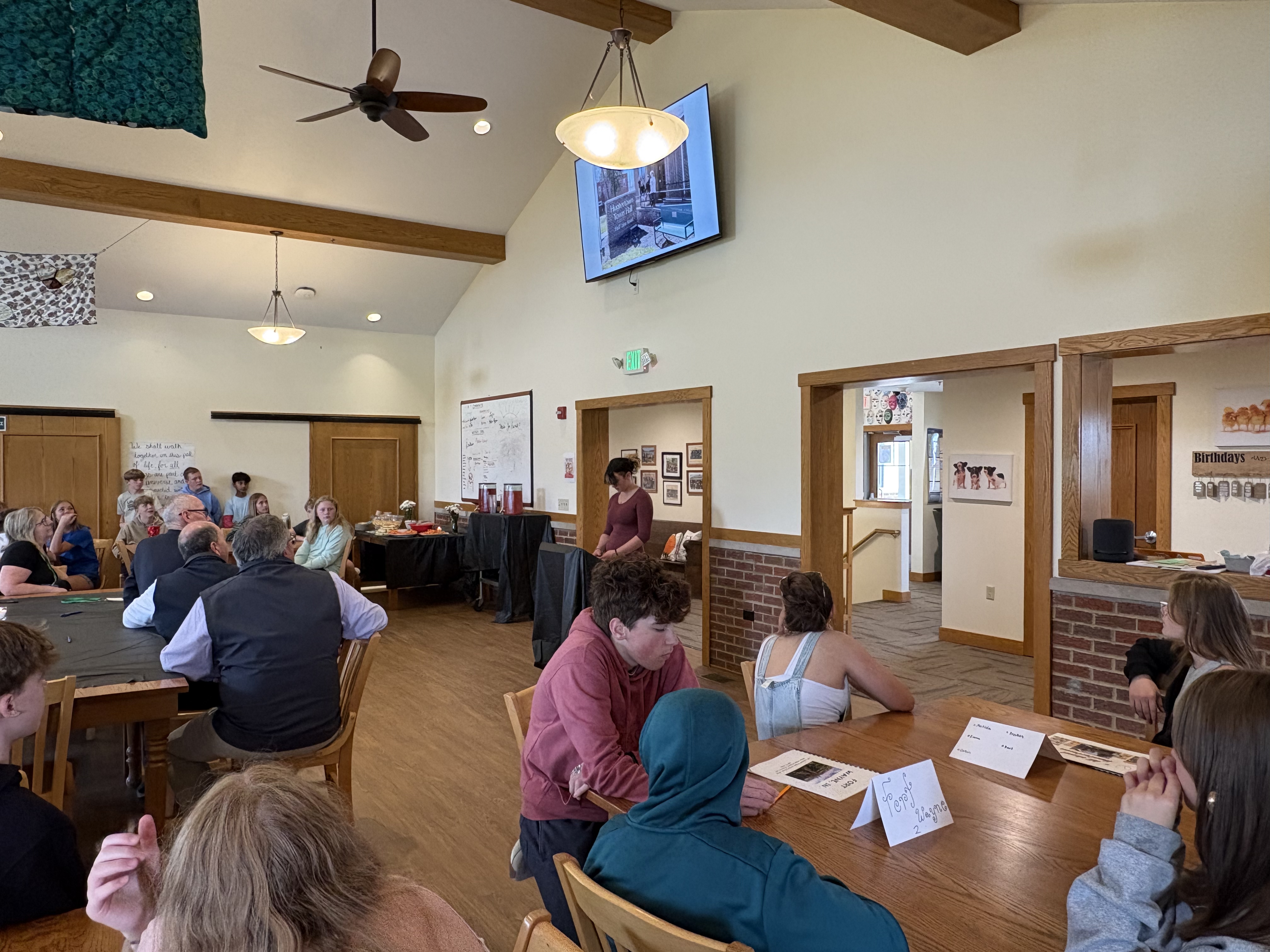
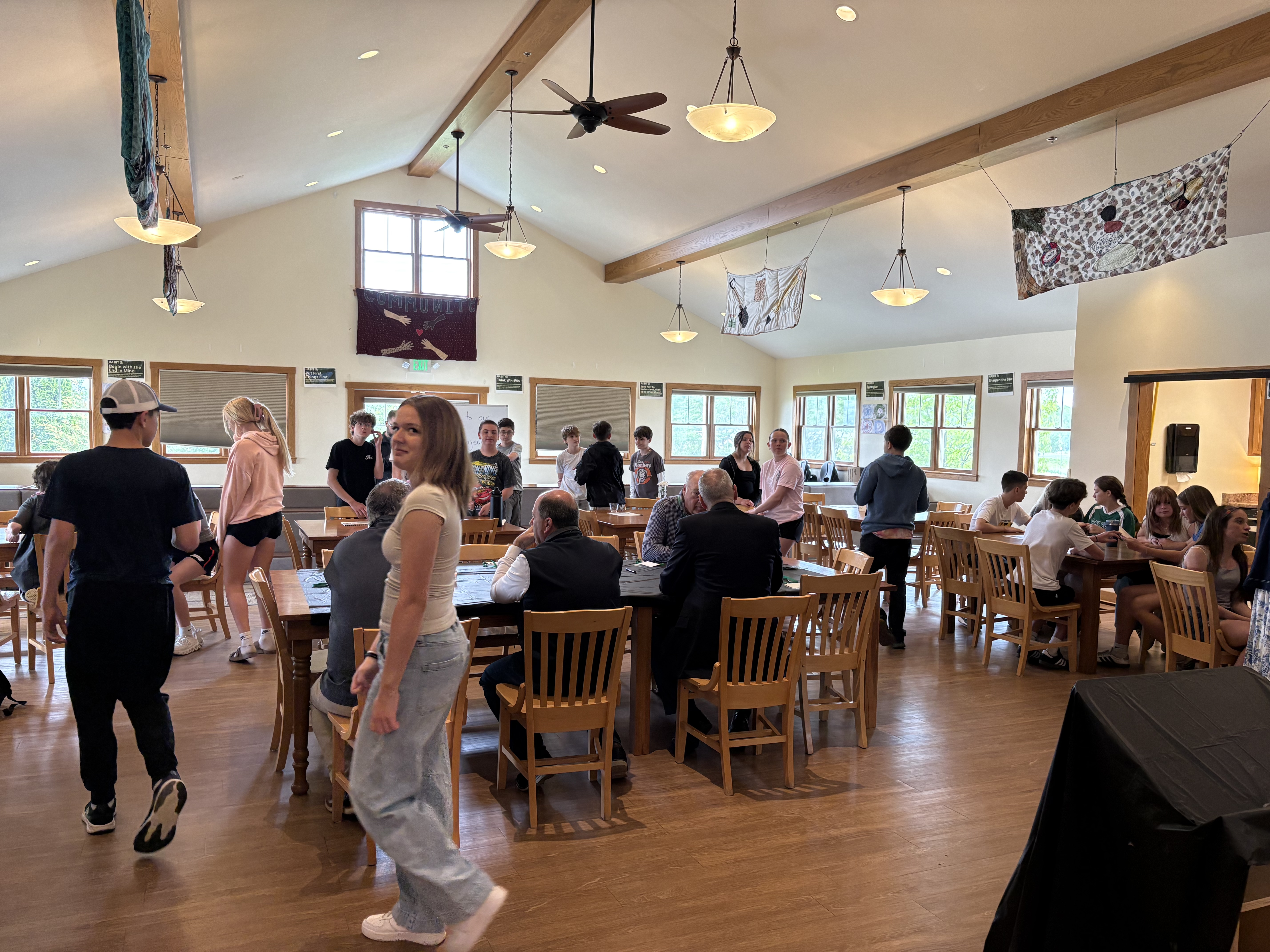
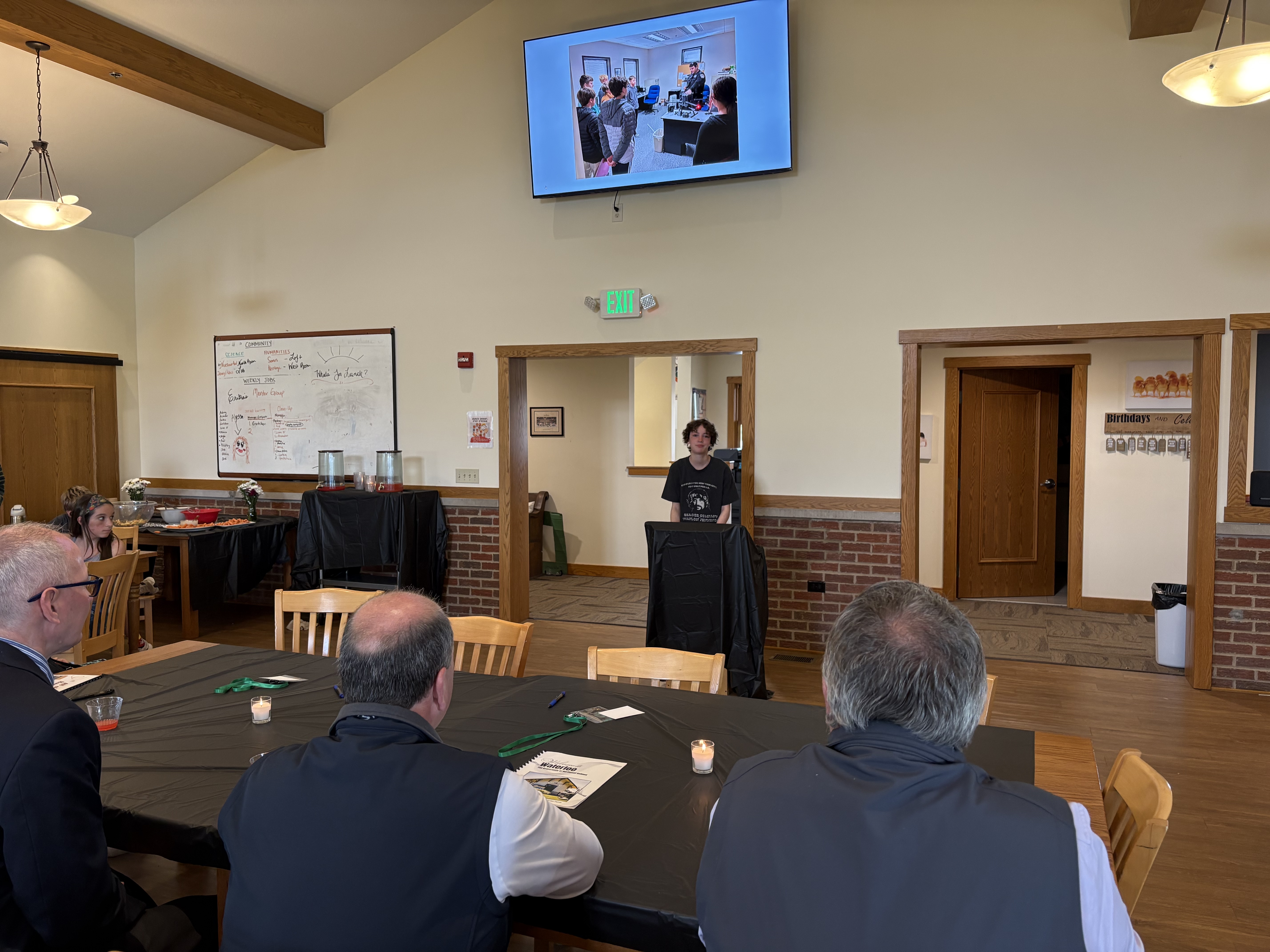
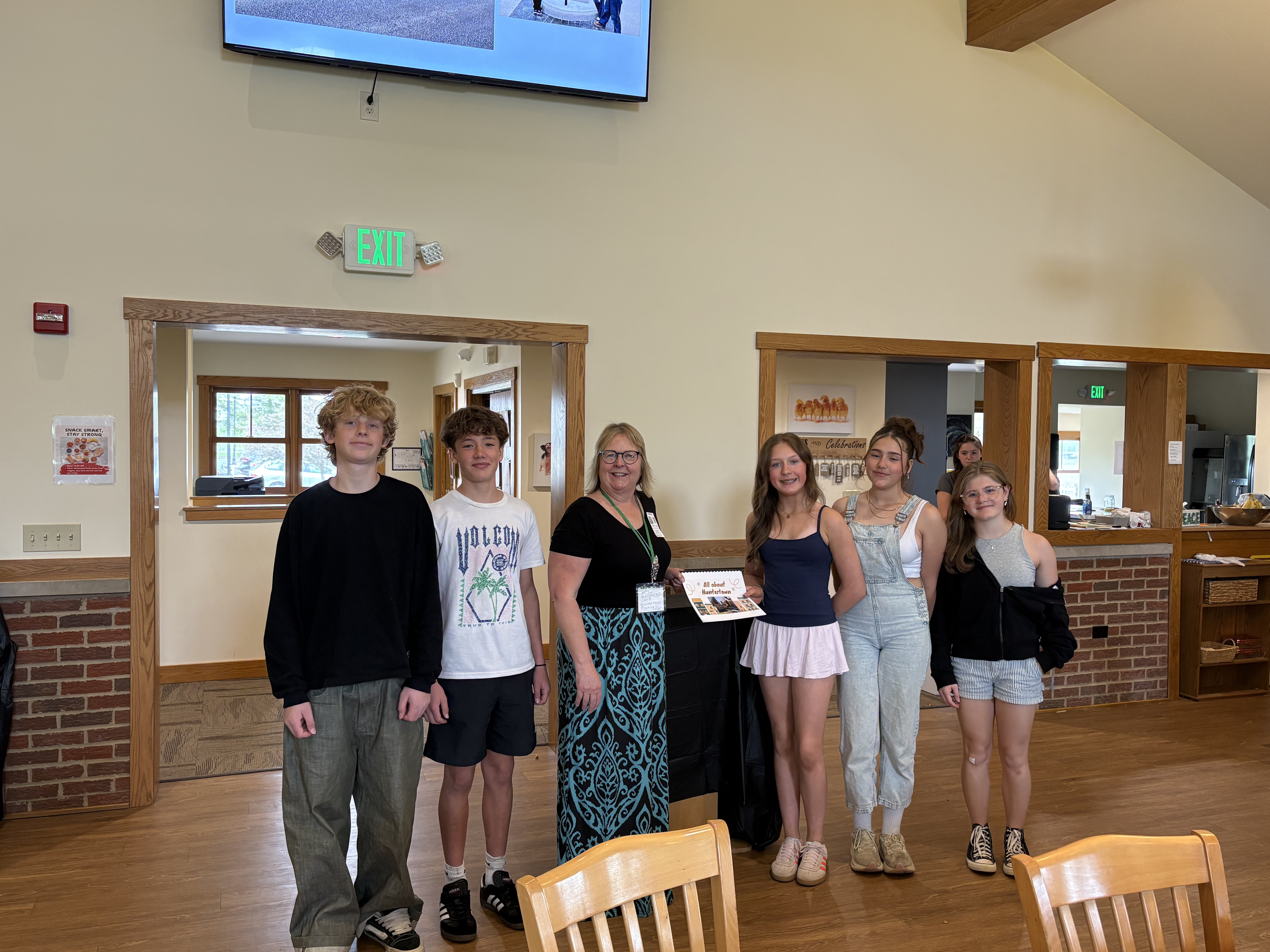
We met with an event planner extraordinaire who walked them through important decisions that needed to be made for the event – food, decorations, flow of proceedings, etc. Students did it all – they determined what the ceremony would look like; they nominated speakers to open and close the proceedings; they decided on a menu for light refreshments. On the day of the ceremony, they set up the dining hall and greeted guests as they arrived.
All in all it was a rousing success. As they talked with stakeholders about their experiences, there was this cool cultural exchange between generations, and I think it dawned on them just how exciting it was that their work was going to become part of the historical record of their towns. At least, I hope it did.
Moving Forward
We teach a two-year cycle, so it’ll be another year before we get to do this particular project. I’m thinking that the end product will need to be different. I’m thinking a photo voice project with an end exhibition where we invite community members and stakeholders in to talk with students about their work. I’m not sure, but I’ve got a whole year to think about it. Whatever it is, I know students will be the driving force and they’ll have an authentic audience to present their work.
I feel so immensely fortunate to be teaching at a school that values place and community, and I’m looking forward to all the exciting future possibilities for this project. I hope that you’ll take what is here and borrow/steal/refine to make it work for you and your students.
Please don’t hesitate to reach out if you have any questions!

