I’ve recently been working on a memoir in verse about my time pollinating corn in the Indiana corn fields as a teenager. It started as a way to say goodbye to my Papaw who passed away in February of 2022, and writing felt like thievery. I have three young kids, my Literacy In Place website, my Reading Rural YAL podcast, and my career as a teacher/professor. Currently, it is sitting, waiting patiently for me to come back to it for yet another round of revisions. It will be waiting for a while as I work to find time to open it up and sit with it again.
So, this month’s Read Appalachia theme really resonated with me. There are so many costs associated with writing – time, money, emotion, mental load. Half of what I spend goes toward just figuring out how to be a writer. And these very same costs exist for young people who want to be writers. I recently talked with Laurel Aronian, a high school junior and runner-up in the Literacy In Place Rural Teen Writing Contest, and she talked a lot about wanting to challenge herself intellectually and as a writer and how that can be difficult because of all of the obligations she has as a high school student. Specifically what stuck out to me is that when she was younger, she wrote three (!) novels and wants to pursue that same genre now but can’t because life is too busy with her other homework and extracurricular activities.
Writing is costly and challenging for young and older folks alike.
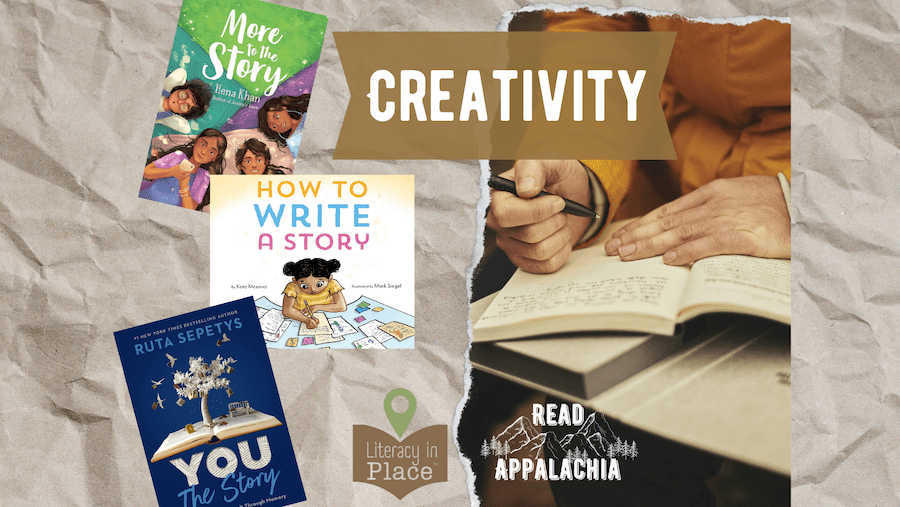
ON THIS MONTH’S THEME FROM KENDRA:
When we talk about writing, we typically talk about the craft, what we do when we finally sit down to write. But the work that goes into writing, starts long before we ever sit down. So this month’s theme focused around the cost of what it takes to write.
BOOK RECOMMENDATIONS
For this month’s recommendations, I wanted to suggest books that help young people engage in a writing life in some way. The books featured here offer examples, exercises, and/or encouragement of some kind as young people shoulder the costs of pursuing a writing practice and identity.
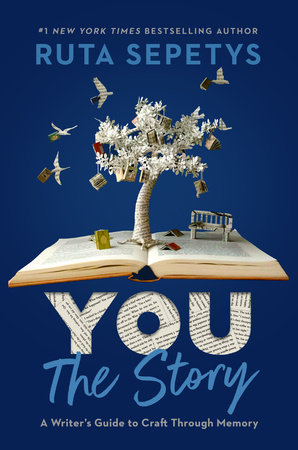
YOUNG ADULT RECOMMENDATION: You: The Story: A Writer’s Guide to Craft through Memory by Ruta Sepetys
Life is story in motion. Each day, you add to your story, revise it, and view it from a different angle. You erase things. Tear pages out. And sometimes, in hindsight, wish you could put them back. A day is a story. A year is a story. A life is a story.
You are a story.
I have loved every Ruta Sepetys book I have ever read. The research she does for each story is incredible, and I always walk away knowing much more about an under-discussed period of history than I did before I cracked the spine. Her author’s notes are full of appreciation for the folks she interviews during her research process, and they always encourage young people to write. Her works are deeply connected to the human experience and vivid characters drive the story. It is no surprise, then, that her latest book encourages writers, old and young alike, to dig into their lived experiences to tell stories and then provides them with exercises to do just that.
Throughout You: The Story, writers are encouraged to explore and excavate their own memories in order to put to the page the voices and details that make up their lived experiences. Sepetys shares stories from her own life as examples of how to use personal experiences to craft plot, character, and dialogue and then invites writers to write through a series of writing prompts and exercises.
My favorite thing about this book, though, is its assumption and assertion that every single person (including young rural and Appalachian people) has a story to tell.
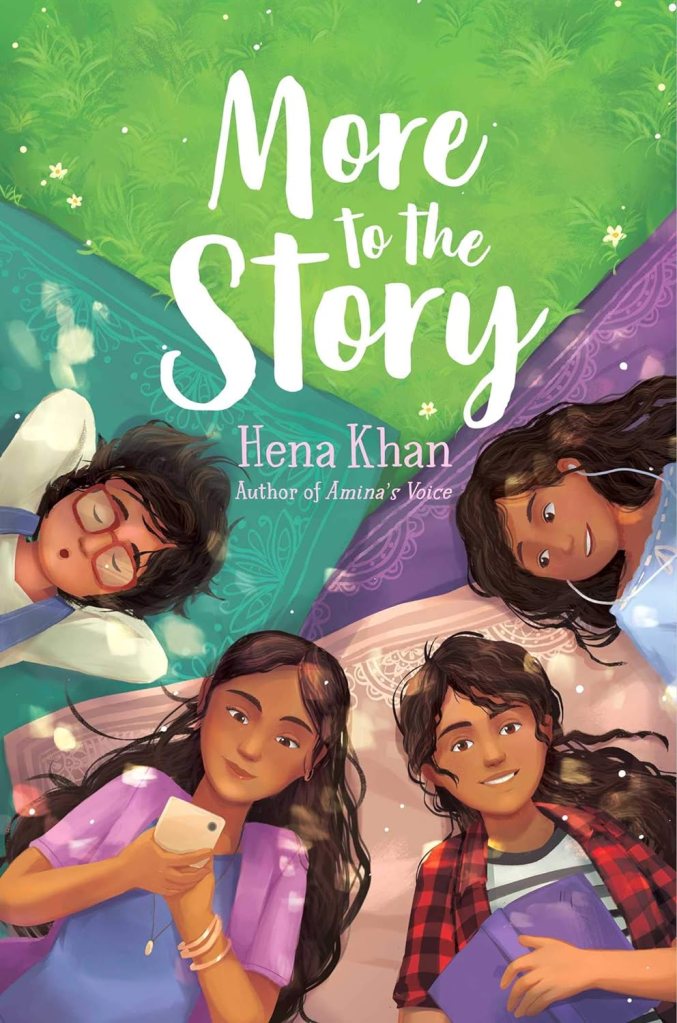
MIDDLE GRADE RECOMMENDATION: More to the Story by Hena Khan
Unlike the young adult recommendation listed above, More to the Story is a fictional story that illustrates some of the possible motivations and costs of writing. In this story, we follow Jameela Mirza as she pursues the role of feature editor with her middle school newspaper, hoping to follow in her late grandfather’s footsteps as an award-winning journalist. The only problem is that the editor-in-chief keeps vetoing all her article ideas. Rather than allow Jameela the opportunity to pursue stories she is passionate about, she is assigned an article about the new boy in school.
As she ponders how to make her piece gripping and worthy to win a national media contest, her father must leave for a job overseas that will keep him away from home for six months. She is even more determined to write an article so epic it will make her dad proud. A younger sister’s serious illness and the threat of losing a new friendship as she chases writing fame, Jameela wonders if the cost of writing and the pursuit of recognition is too much and whether she’s really cut out to be a journalist.
PICTURE BOOK RECOMMENDATION: How to Write a Story by Kate Messner Illustrated by Mark Siegel
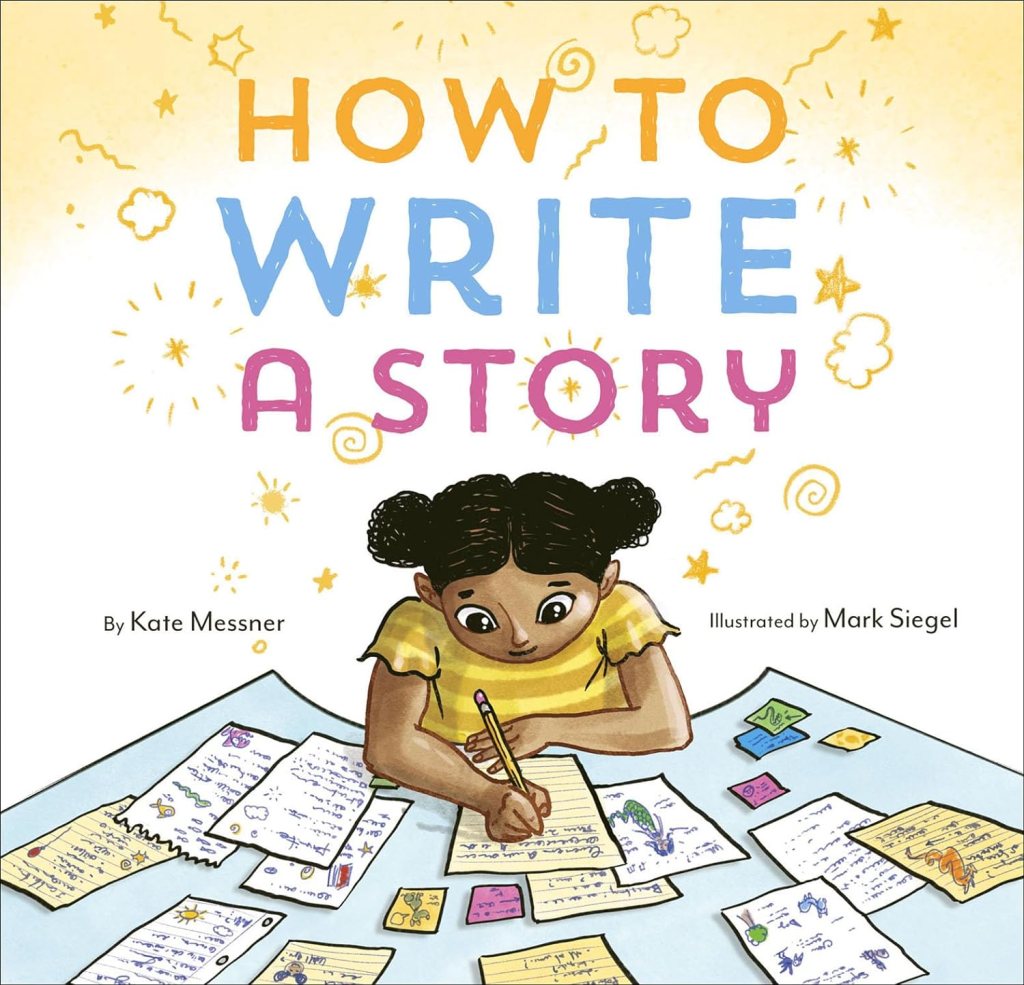
My first introduction to Kate Messner was through my daughter’s obsession with the Ranger in Time series. I mean, who doesn’t love an adorable time-traveling dog? My daughter loves them so much that she requested a list of them all so she could cross reference and check off the ones we have and request all the ones we don’t have for Christmas. Then, I attended a free virtual writing workshop for teachers that Messner runs, and I grew to appreciate her encouragement and the work she did to share helpful prompts and exercises as we worked on our writing. So, when I saw that she had a picture book that offers opportunities and encouragement for kids to engage with craft and write stories, I was all-in.
Messner’s writing and Mark Siegel’s illustrations work together playfully and beautifully to engage kids in the story-writing process. They follow the main character of the book as she works to choose an idea, bring conflict to make things interesting, and make it all the way to The End. The book breaks down the writing process in an accessible way, encourages kids to explore their own creativity, and write/share their stories with an audience.
Happy reading (and writing)!
Check out the latest Read Appalachia Podcast. and learn more about Read Appalachia at https://www.readappalachia.com/
Follow Read Appalachia on Instagram, Twitter, and Facebook @readappalachia.
Follow Kendra on Instagram and Twitter @kdwinchester.
 Dr. Parton's Literacy In Place